
Hormone treatment for low libido, ever wonder if it’s the missing puzzle piece in your stalled sex life? If you and your partner feel more like roommates than lovers, keep reading, because your desire problem is almost never “just in your head,” and it’s definitely not a lost cause.
Key Takeaways
- Hormone treatment for low libido works best when you first test estrogen, testosterone, DHEA, and cortisol levels and then tailor therapy to your specific hormone imbalances.
- Estrogen, testosterone, and DHEA each play distinct roles in sexual desire and comfort, so effective hormone treatment for low libido usually involves balancing all three rather than focusing on just one hormone.
- Advanced tools like the DUTCH test give a more complete picture of daily hormone patterns and metabolism than standard blood work, helping clinicians move from “normal” to truly optimal levels for libido.
- Hormone therapy options such as systemic or vaginal estrogen, low-dose testosterone, and supervised DHEA supplementation can ease pain, increase arousal, and gradually restore desire when monitored by an experienced provider.
- Lasting improvements in libido come from combining hormone optimization with better sleep, stress management, and emotionally safe, honest communication between partners.
Table of Contents
Why Low Libido Happens (And Why It’s Not “All in Your Head”)
You’re over 40, you love your partner, you like the idea of sex…and yet when it’s time to actually have it, your body’s like, meh. Sound familiar?
That drop in sexual desire is called low libido, and it’s incredibly common, research suggests around 40% of women experience it, and men see a major dip as they hit midlife too. But common doesn’t mean trivial, and it definitely doesn’t mean “you just need to relax” or “this is what happens when you’ve been married a long time.”
Low libido can quietly reshape a relationship. Date night turns into Netflix and separate screens. One of you reaches out, the other pulls away, and suddenly there’s a mix of resentment, shame, and hurt that no one quite knows how to talk about. You might blame yourself, your partner, your body, or your relationship, all while wondering, “Was that early passion just a phase?”
Here’s the truth: dismissing low desire as normal aging is harmful. It keeps you stuck in a stagnant, routine sex life when there are real, fixable reasons behind what you’re feeling.
Yes, hormones are a huge part of the story, but they’re not the only part. Stress, sleep, emotional safety, performance worries, brain fog, and sheer exhaustion all layer on top of your hormonal world. But if hormones are out of balance, you can do all the date nights and communication exercises in the world and still feel like the spark is missing.
So instead of asking, “What’s wrong with me?” a better question is, “What’s going on with my hormones, and how can I fix this with expert help?”
Understanding Hormones and Sexual Desire
Hormones 101: How Libido Is Regulated
How do hormones affect libido? Think of hormones as the text messages your brain sends to your body. They’re tiny chemical messengers telling your cells what to do, sleep, wake up, store fat, burn energy, ovulate, make sperm, feel turned on.
When it comes to libido, the major players are:
- Estrogen
- Testosterone
- DHEA
- Plus supporting cast: progesterone, cortisol, thyroid hormones, insulin
It’s not about one “magic” hormone number. It’s about balance, the way these hormones interact over an entire day, and how well your body can use and clear them. You can have a “normal” lab value and still have a tanked sex drive if the overall pattern is off.
Estrogen and Libido
For women, estrogen is the goddess of comfort and receptivity. Adequate estrogen means:
- Natural vaginal lubrication
- Flexible, comfortable vaginal tissue
- Fewer urinary and vaginal infections
- Better sleep and more stable mood
When estrogen drops around perimenopause and menopause, you can get:
- Vaginal dryness and burning
- Micro-tears during sex
- Pain with penetration
- More UTIs
You don’t have to be a sex therapist to know: if sex hurts, you’re going to want it less. Your brain is smart: it links “penetration” with “pain” and starts quietly hitting the brakes on desire.
Low estrogen also disrupts sleep and mood, which indirectly crushes libido. If you’re waking at 3 a.m. drenched in sweat and slogging through your day, “sexy” is not going to be the first word you’d use.
Studies show that estrogen therapy can improve comfort and, as a result, sexual desire in postmenopausal women, especially when dryness or pain is a big piece of the puzzle.
Testosterone: The Most Misunderstood Libido Hormone
Here’s the twist no one tells women: you need testosterone too. You actually have more testosterone in your body than estrogen, just at much lower levels than men.
Testosterone supports:
- Sexual desire and fantasies
- Physical arousal and sensitivity
- Energy and motivation
- Confidence and sense of vitality
Research (including Vegunta, 2019) shows that carefully dosed testosterone therapy can improve sexual desire and satisfaction in postmenopausal women. That’s why many specialists use it off-label, it’s not because they’re reckless, it’s because the data is there, while the FDA labeling just hasn’t caught up.
But there’s a catch. Too much testosterone can cause:
- Acne or oily skin
- Facial hair growth
- Scalp hair thinning
- Voice changes
So this is not a “more is better” situation. It’s a “precision, monitoring, and doctor-guided dosing” situation.
DHEA: The Overlooked Libido Hormone
DHEA is like the hormone world’s quiet assistant manager: not flashy, but important. Your body uses DHEA to help build both estrogen and testosterone.
When DHEA is low, you can see:
- Vaginal dryness
- Painful intercourse
- Lower desire
- Feelings of depletion and fatigue
Research (Rabijewski, 2022 and others) suggests DHEA can reduce menopause symptoms and support sexual function in both pre- and post-menopausal women.
Many midlife adults, men and women, have lower-than-ideal DHEA, especially under chronic stress. Think of DHEA as the foundation of your hormonal house: if that’s crumbling, bedroom renovations won’t go very far.
Bottom line: when you explore hormone treatment for low libido, estrogen, testosterone, and DHEA all deserve a seat at the table, not just one.
Testing Before Treating: How to Diagnose Hormonal Causes of Low Libido
You’d never renovate a house without looking at the blueprint. Hormone treatment for low libido works the same way, you test first, then design a plan.
Why Blood Tests Often Miss the Full Picture
Standard blood tests (serum labs) are the medical default. They’re helpful, but they have limitations:
- They show a single snapshot in time, not how hormones fluctuate over 24 hours.
- They often don’t show how your body metabolizes or clears hormones.
- “Normal range” results can still leave you with zero desire and plenty of symptoms.
You might have already been told, “Your hormones are fine,” while you’re sitting there thinking, If this is fine, I’d hate to see bad. That’s because libido isn’t just about being “in range”: it’s about being optimal for you.
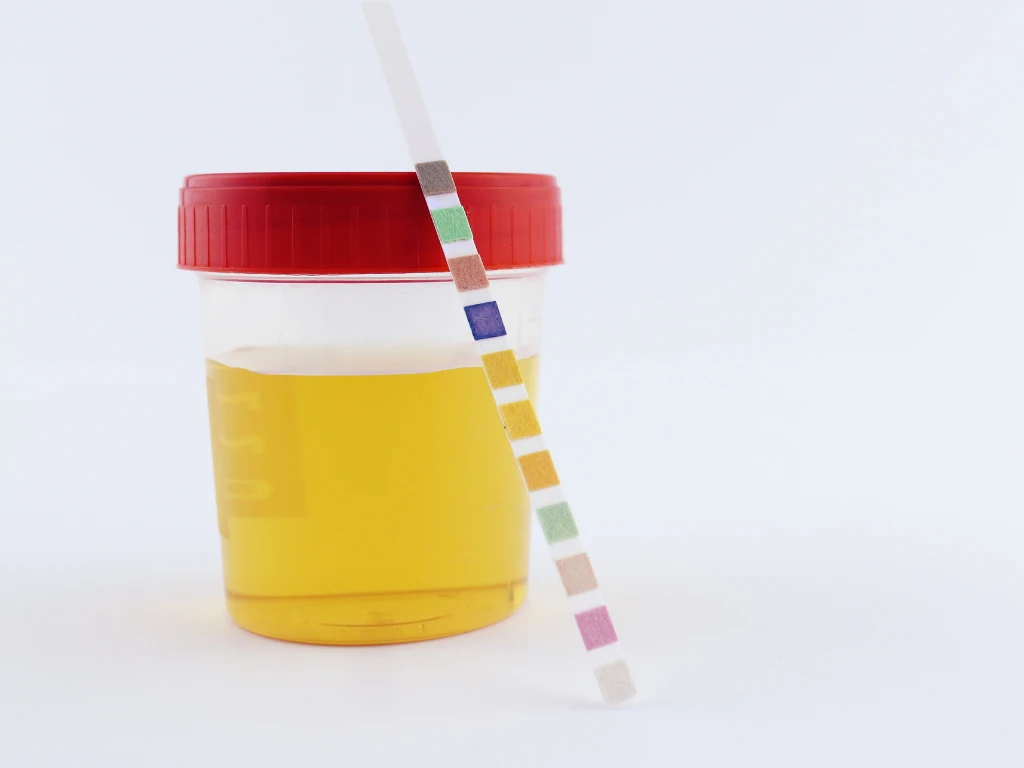
The DUTCH Test Explained
That’s where more advanced testing, like the DUTCH test (Dried Urine Test for Comprehensive Hormones), comes in. Unlike a quick blood draw, it:
- Measures hormone levels over the day using urine samples
- Shows how your body metabolizes estrogen, testosterone, and cortisol
- Helps your clinician see patterns in stress, sex hormones, and refresh pathways
For low libido, DUTCH results can reveal:
- Low or imbalanced estrogen, testosterone, or DHEA
- Cortisol issues (wired at night, exhausted by day)
- Whether your body is pushing hormones down riskier or safer metabolic pathways
That deeper view lets a hormone-literate doctor tailor the best treatment, rather than guessing and hoping.
Optimal vs “Normal” Hormone Levels
Conventional medicine usually uses broad ranges based on the general population. Functional and sexual-medicine providers ask a different question: Where do your levels sit when you feel sharp, energized, and sexually alive?
For example, you might technically have a DHEA level of 50 µg/dL, which falls into a lab’s “normal” box. But many people feel and function better closer to 200–300 µg/dL, depending on age and context.
That’s why symptoms matter just as much as numbers:
- Are you waking up with any spontaneous desire?
- Do you still fantasize or feel mentally turned on?
- Is sex pleasurable, or mostly uncomfortable and effortful?
A doctor-driven approach blends data + how you actually feel, and that’s what leads to effective hormone treatment for low libido, instead of a shrug and a “You’re just getting older.”
Hormone Therapy Options for Low Libido
Once you’ve done real testing and ruled out major medical issues, your clinician may suggest hormone therapy as part of the plan.
Estrogen Therapy Options
Estrogen therapy comes in two main flavors:
- Systemic estrogen (patches, pills, gels): circulates through your whole body and can help with hot flashes, night sweats, mood, and overall well-being. Indirectly, that often boosts libido.
- Localized vaginal estrogen (creams, tablets, rings): targets the vulva and vagina to improve moisture, elasticity, and comfort with minimal whole-body exposure.
Women who benefit most include those with:
- Painful intercourse
- Vaginal dryness or burning
- Recurrent urinary issues after menopause
Many women find that once sex is comfortable again, their brain stops slamming on the brakes and desire has room to breathe.
Testosterone Therapy for Women
When testing shows low or suboptimal testosterone, and you have low desire, difficulty getting aroused, or low sexual satisfaction, your doctor may recommend low-dose testosterone therapy.
Forms may include:
- Gels or creams (often compounded for women)
- Tiny skin applications with precise dosing
It’s often paired with estrogen, because these hormones work like dance partners: the lead changes, but they move best together.
Safe testosterone therapy requires:
- Baseline and follow-up labs
- Watching for side effects (acne, hair changes, voice changes)
- A clinician experienced in women’s hormone dosing, not just male protocols shrunk down
DHEA Supplementation
If your DHEA is low, supplementation can support:
- Vaginal lubrication
- Comfort during sex
- Energy and resilience
- Healthy production of estrogen and testosterone downstream
Some women use vaginal DHEA inserts, which act locally to improve tissue quality and lubrication. Others use oral DHEA under medical supervision.
You can usually expect gradual changes over weeks to a few months, not overnight fireworks, but when done right, it often feels like the lights slowly coming back on in a dim room.
Important: DHEA isn’t a casual “grab it off the shelf and see what happens” supplement, especially over 40. Dosage, other medications, history of hormone-sensitive cancers, and lab values all matter, this is where a doctor-driven process keeps you safe and effective.
Common Mistakes That Keep Libido Low
Even with the best intentions, a lot of couples unknowingly stay stuck. Some common traps:
- Treating estrogen alone. You fix dryness but ignore testosterone and DHEA, so sex is less painful but still not exciting.
- Skipping testing. You try random creams, pellets, or supplements without data and end up over-treated, under-treated, or just frustrated.
- Chasing “normal” instead of optimal. You accept lab numbers over how you feel and stay in a low-desire limbo.
- Expecting hormones to fix everything. Hormones can’t repair years of unspoken resentment, a total lack of novelty, or zero emotional safety.
- Using porn or pressure as a shortcut. That might create temporary performance, but it doesn’t create lasting desire.

The Bigger Picture: Libido Is a Couple and Whole-Body Issue
Hormone treatment for low libido is powerful, but it works best in context. Your body, your relationship, and your daily life all matter.
Metabolic and Physical Factors
Your hormones don’t live in a vacuum. They’re influenced by:
- Blood sugar balance: Big swings from sugary breakfasts to late-night snacks can tank energy and mood.
- Cholesterol: You actually need healthy fats and cholesterol to make sex hormones.
- Toxin exposure: Plastics, pesticides, and some personal-care products can disrupt hormones.
- Sleep: Poor sleep raises cortisol and lowers desire. It’s hard to feel sexy when you’re half-asleep at 8:30 p.m.
- Stress and exhaustion: Chronic stress reroutes sex hormones toward survival mode, not pleasure mode.
This is where simple changes, regular strength training, cutting back on ultra-processed foods, better sleep hygiene, can amplify what hormones are trying to do.
Emotional Safety and Relationship Dynamics
Libido doesn’t live in one body: it lives between two people.
If you don’t feel emotionally safe, if you’re worried about being criticized, rejected, rushed, or compared, it’s like trying to light a match in the rain.
Key questions to explore (ideally with guidance):
- Do you feel you can talk openly about sex, or do you both tiptoe around it?
- Can you say what you like, or don’t like, without your partner taking it personally?
- Is there unresolved hurt (affairs, broken promises, constant criticism) that makes you pull away?
One couple, Jared and Lisa, discovered through therapy that her “low libido” wasn’t just hormones: she’d spent years feeling like sex was a chore, always on his timeline, never hers. Once they rebuilt trust, curiosity, and shared control, and paired that with her hormone optimization, her desire didn’t just return, it changed flavor. Sex shifted from obligation to exploration.
Hormones can turn the lights back on. Emotional safety and communication decide what happens in that room.
A Couple-Focused Path Forward
Here’s what an integrated, doctor-driven approach can actually look like, like what you’d experience working with The Libido Doctor:
- Deep Intake (for both of you). You’re not reduced to “low T” or “perimenopause.” Your provider asks about sleep, stress, relationship patterns, medications, orgasms, pain, fantasies, everything.
- Comprehensive Testing. Blood work plus advanced tools like the DUTCH test help map out estrogen, testosterone, DHEA, cortisol, thyroid, blood sugar, and more.
- Personalized Hormone Plan. Estrogen, testosterone, DHEA (and sometimes thyroid or cortisol support) are tailored to your body and monitored over time.
- Couple-Focused Coaching or Therapy. You get guided conversations about sex, communication tools, and ways to bring novelty back without pressure.
- Lifestyle Upgrades That Actually Fit Your Life. Micro-changes in movement, food, sleep, and stress that support libido instead of draining it.
This isn’t about turning you into college kids again. It’s about helping you feel awake in your own body, connected to your partner, and excited about where your sex life could go next.
You don’t have to choose between medical care and relationship work, the best libido reboot combines both.
Closing Thoughts: You Deserve Desire Again
If you’ve been telling yourself, “Maybe this is just what happens after 40,” you’re selling yourself short.
Your low libido is not a personal failure, a sign your relationship is doomed, or something you should just “power through.” It’s a signal, from your hormones, your body, and your relationship, that deserves real attention.
With the right hormone treatment for low libido, paired with honest communication, emotional safety, and a bit of guided experimentation, you can move from routine, obligatory sex to something much closer to the connection you secretly miss.
You deserve to feel wanted, and to want again.
If you’re ready to stop guessing and start a smart, supportive, doctor-driven process, reach out to a clinician or a team like The Libido Doctor who specializes in hormones and relationships. Don’t wait for things to get worse. You can reclaim desire, and write a hotter, happier next chapter together.
Frequently Asked Questions
Hormone treatment for low libido involves correcting imbalances in key sex hormones—mainly estrogen, testosterone, and DHEA, so your body is better able to experience desire, arousal, and comfort during sex. It’s often helpful for women and men over 40 whose sex drive has declined despite loving their partner and wanting a better sex life.
Libido is influenced by several hormones working together. Estrogen supports vaginal comfort, lubrication, and sleep. Testosterone fuels desire, arousal, energy, and confidence. DHEA helps your body build both estrogen and testosterone and supports tissue health and resilience. Progesterone, cortisol, thyroid hormones, and insulin also affect mood, stress, and energy, which indirectly impact sexual desire.
A thorough evaluation usually includes a detailed history, symptom review, and lab testing. Standard blood tests give a snapshot, while advanced tests like the DUTCH test show 24‑hour hormone patterns and metabolism. Providers look at estrogen, testosterone, DHEA, cortisol, thyroid, blood sugar, and how you actually feel, not just whether you’re “in range.”
Hormone treatment for low libido may include systemic estrogen (patches, pills, gels) for hot flashes and mood, local vaginal estrogen for dryness and pain, low‑dose testosterone for desire and arousal, and DHEA (oral or vaginal) to support lubrication and hormone production. Plans are individualized, monitored with labs, and adjusted over time.
When prescribed and monitored by an experienced clinician, hormone therapy is generally safe for many people, but it’s not risk‑free. Possible side effects include breast tenderness, spotting, acne, hair changes, or voice changes with excess testosterone. Your provider should review personal and family history, cancer risk, clotting risk, medications, and follow labs regularly.
Yes. Even when hormones are part of the solution, lifestyle and relationship shifts matter. Better sleep, stress reduction, strength training, and more whole foods support hormone balance. Emotionally safe communication, resolving resentment, slowing down sex, and adding novelty can transform desire. Many people do best with a combined approach: medical care plus couple‑focused work.
References:
Laumann, E. O., Paik, A., & Rosen, R. C. (1999). Sexual dysfunction in the United States: Prevalence and predictors. JAMA, 281(6), 537–544. https://doi.org/10.1001/jama.281.6.537
Lara, L. A., Cartagena-Ramos, D., Figueiredo, J. B. P., Rosa-e-Silva, A. C. J. S., Ferriani, R. A., Martins, W. P., & Fuentealba-Torres, M. (2023). Hormone therapy for sexual function in perimenopausal and postmenopausal women. Cochrane Database of Systematic Reviews, 2023(8), CD009672. https://doi.org/10.1002/14651858.CD009672.pub3
Davis, S. R., Moreau, M., Kroll, R., Bouchard, C., Panay, N., & Gass, M. (2018). Testosterone for low sexual desire in women: A systematic review and meta-analysis of randomized controlled trials. Journal of Sexual Medicine, 15(5), 697–711. https://doi.org/10.1016/j.jsxm.2018.03.007
Seifert-Klauss, V., & Prior, J. C. (2015). Dehydroepiandrosterone (DHEA) for women in the peri- or postmenopausal phase. Menopause, 22(5), 546–557. https://pubmed.ncbi.nlm.nih.gov/25879093/
Nappi, R. E., & Palacios, S. (2018). Hormonal and non-hormonal treatment of sexual dysfunction in postmenopausal women: A systematic review. Climacteric, 21(5), 454-461. https://doi.org/10.1080/13697137.2018.1494130
Rosner, W., et al. (2010). Utility, limitations, and pitfalls in measuring testosterone: An Endocrine Society position statement. Journal of Clinical Endocrinology & Metabolism, 95(2), 536–545. https://doi.org/10.1210/jc.2009-2476
Basson, R. (2001). Human sex-response cycles. Journal of Sex & Marital Therapy, 27(1), 33–43. https://doi.org/10.1080/009262301316898124
Leiblum, S. R. (2007). Definition and epidemiology of female sexual dysfunction. Journal of Sexual Medicine, 4(Suppl 3), 177–183. https://doi.org/10.1111/j.1743-6109.2007.00549.x
Want to Learn how to Identify and Fix These Root Causes?
Register for Our Next Libido Masterclass. We will share our expertise on libido and empower you with the solutions and steps to improve yours.