
Hormone imbalance low libido, could that be the real reason your desire has quietly changed, even if you still love and want your partner? For many couples over 40, the answer is yes, and once you see how hormones shape attraction, energy, and intimacy, the whole picture starts to make a lot more sense.
Key Takeaways
- Hormone imbalance low libido is often a medical issue rather than a sign of lost love, especially for couples over 40 facing age-related hormone shifts.
- Estrogen, testosterone, cortisol, thyroid hormones, and SHBG all influence desire, energy, comfort, and sexual responsiveness in both men and women.
- Watch for clusters of symptoms like vaginal dryness, fatigue, mood changes, fewer erections, sleep disruption, or lower confidence, because they can signal hormone imbalance low libido.
- A proper evaluation with blood tests and symptom tracking can identify treatable causes of low libido more accurately than guesswork or relationship blame.
- Treatment works best when couples combine medical guidance, possible hormone therapy, and lifestyle changes like better sleep, stress reduction, exercise, and supportive nutrition.
- Clear, blame-free communication and low-pressure intimacy help couples rebuild connection while addressing the hormonal roots of low libido.
Table of Contents
Why Hormone Imbalance Is One of the Most Overlooked Causes of Low Libido
Low desire often gets blamed on boredom, stress, resentment, or “just getting older.” Those factors can matter, but they don’t tell the whole story. In many long-term relationships, hormone shifts are the quiet backstage crew moving the entire show.
I’ve heard versions of the same story from couples again and again: one partner assumes the spark is gone, the other feels broken, and both end up tiptoeing around the issue. Meanwhile, the real culprit may be sitting in plain sight in a lab panel, not in the relationship itself.
The Hidden Link Between Hormones and Sexual Desire
Hormones regulate sexual desire in both men and women. Estrogen and testosterone, in particular, influence arousal, responsiveness, attraction, and even the sense of anticipation that makes intimacy feel exciting rather than scheduled.
Libido decline often begins in the mid-30s, then becomes more noticeable during perimenopause, menopause, and age-related testosterone decline. That change can feel sneaky. One month you feel mostly like yourself: the next, desire seems to have slipped out the back door with your reading glasses.
Hormonal fluctuations affect more than sex drive alone. They can change:
- vaginal lubrication and comfort
- erectile function
- energy and stamina
- mood and patience
- confidence and body image
- emotional closeness and responsiveness
That’s why low libido and hormones are so closely linked. It’s not simply about attraction. It’s about the chemistry that helps your body and brain say, “Yes, I’m available for this.”
Why Many Couples Misinterpret Low Libido
One of the biggest mistakes couples make is assuming low libido means loss of love or loss of attraction. That misunderstanding can sting. It turns a medical or physiological issue into an emotional mystery novel, and nobody enjoys that plot twist.
When hormonal shifts go unrecognized, couples may experience:
- hurt feelings and self-doubt
- pressure around sexual performance
- communication breakdowns
- avoidance of affection to prevent “mixed signals”
- growing resentment on both sides
A wife may think, “He’s not interested in me anymore.” A husband may think, “She must be checked out of this marriage.” But in many cases, the issue is not indifference. It’s declining estrogen, lower testosterone, elevated cortisol, or thyroid imbalance reshaping desire from the inside out.
The good news? When you stop treating low libido as a character flaw or relationship verdict, you can start addressing it with the right medical and relational support.
Key Hormones That Control Libido in Men and Women
Sexual desire is regulated by a team of hormones, not just one star player. When one goes off rhythm, the whole band can sound flat.
Estrogen and Female Sexual Health
Estrogen plays a central role in female sexual health. It helps maintain vaginal lubrication, tissue elasticity, comfort during sex, and overall sexual interest. When estrogen drops during perimenopause and menopause, desire often drops with it.
Common low-estrogen effects include:
- vaginal dryness
- painful intercourse
- mood swings
- sleep disruption
- weight gain
- lower sexual responsiveness
This matters because desire doesn’t thrive in discomfort. If intimacy starts to feel physically irritating or emotionally draining, your body may begin avoiding it before your mind even catches up. For women especially, estrogen deserves its own conversation, low estrogen and libido is a great companion read if perimenopause or menopause is part of your story.
Testosterone’s Role in Sexual Desire
Testosterone is essential for libido in both men and women. It supports sexual thoughts, motivation, arousal, and energy. Levels typically begin declining in the mid-30s and continue to decrease with age.
In men, low testosterone is strongly associated with reduced sex drive and may also affect erections, orgasm quality, and sexual confidence. In women, lower testosterone can reduce desire, pleasure, and that spark of spontaneous interest that once felt effortless.
This is one reason testosterone and libido are such an important clinical conversation. If testosterone is low, intimacy can start to feel like trying to light a fire with damp matches.
The testosterone conversation isn’t just for men, low testosterone levels in women is worth a read if fatigue, low mood, and reduced desire all showed up around the same time.
Other Hormones That Influence Libido
Estrogen and testosterone get most of the attention, but other hormones also shape sexual health.
- Cortisol: Chronic stress raises cortisol, which can suppress sexual desire.
- Thyroid hormones: Low or imbalanced thyroid function can reduce energy, mood, and libido.
- Progesterone: Helps maintain hormonal balance, especially in women.
- SHBG: Sex hormone-binding globulin affects how much free testosterone is available to the body.
If you’re dealing with sexual health and hormones, it’s important to think beyond one indicator and look at the whole system. Libido is not just about sex. It’s also about stress, sleep, metabolism, mood, and physical comfort.
Causes of Low Libido Linked to Hormone Imbalance
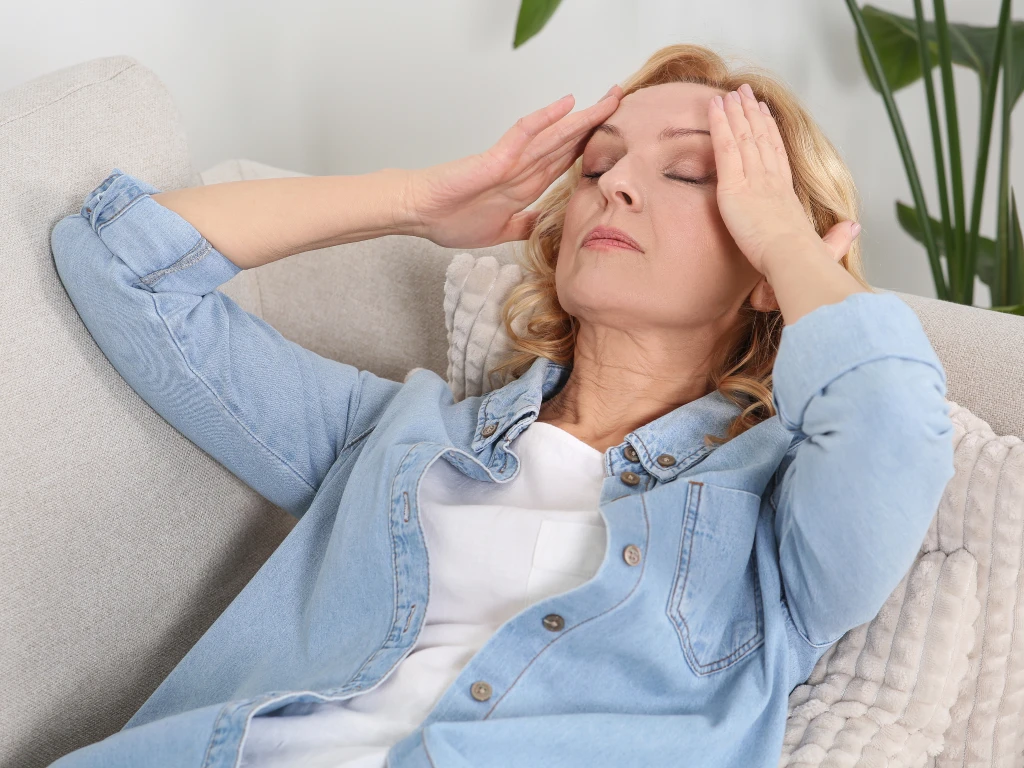
Hormonal causes of low desire don’t appear out of nowhere. They usually develop through a mix of age-related changes, health issues, medication effects, and daily habits.
Causes of Low Libido in Women
For women, perimenopause and menopause are major drivers of hormone-related libido changes. Estrogen declines, vaginal tissues become drier, sleep may worsen, and mood can become more unpredictable. That combination can flatten desire fast.
Other possible causes include:
- hormonal birth control that alters natural hormone patterns
- estrogen dominance or imbalance
- thyroid disorders
- certain antidepressants or other medications
- medical conditions that affect pelvic comfort or energy
Many women assume they should simply “push through it.” But if sex feels uncomfortable, forced, or emotionally distant, your body often responds by tapping the brakes.
Causes of Low Libido in Men
For men, low testosterone is one of the most common hormone-related causes of reduced sex drive. Hypogonadism, metabolic conditions, chronic stress, and elevated cortisol can all play a role.
Men may also notice:
- fewer sexual thoughts
- reduced morning erections
- lower stamina
- difficulty maintaining erections
- decreased confidence in bed
That last point matters more than people admit. A single bad experience can echo like a microphone squeal. Then anxiety piles on, desire drops further, and the cycle feeds itself.
Lifestyle Factors That Disrupt Hormones
Lifestyle habits can quietly sabotage hormones, even in otherwise healthy adults. And yes, this is where many busy couples get caught.
The biggest disruptors include:
- chronic stress
- poor sleep
- nutritional deficiencies
- inactivity
- excess alcohol
- weight gain, especially around the abdomen
A couple can still love each other deeply and have a sex life that feels stuck in beige mode because both partners are exhausted, overbooked, and running on takeout and caffeine. Lifestyle changes are not a aid-all, but they often help restore the biological conditions that support desire.
If you’re still not sure hormones are the main issue for you, our guide on what causes low libido is a good starting point to help narrow things down.
Signs Your Libido Issues May Be Hormonal
If your sex drive has changed, certain clues can suggest hormones are part of the picture. Usually, it’s not just one indicator. It’s a cluster.
Physical Symptoms of Hormone Imbalance
Physical signs of hormone imbalance low libido may include:
- vaginal dryness
- fatigue or low stamina
- weight gain around the midsection
- acne or rosacea
- sleep disruption
- hot flashes or night sweats
- lower exercise tolerance
These symptoms often travel together. You may feel like your body has switched operating systems overnight.
Emotional and Psychological Symptoms
Hormones also affect the mind. Emotional symptoms can include:
- mood swings
- irritability
- reduced sexual interest
- frustration about intimacy
- feeling disconnected from your partner
- brain fog or low motivation
This is where couples often get tangled. What feels like rejection may actually be hormonal depletion mixed with stress and poor sleep. It’s hard to feel playful and sensual when your nervous system feels like a smoke alarm.
Symptoms Men Often Experience
Men often experience a mix of physical and psychological changes when testosterone declines. Common signs include:
- erectile dysfunction
- premature ejaculation
- fewer spontaneous erections
- reduced sexual confidence
- lower motivation for intimacy
If these symptoms persist, don’t write them off as normal aging. They may signal a treatable medical issue that deserves a professional evaluation.
How Doctors Diagnose Hormonal Causes of Low Libido
A doctor-driven process is the smartest path when libido changes become persistent, distressing, or disruptive to your relationship. Guesswork can waste months. Good testing can save them.
Hormone Blood Tests
Doctors often use blood work to evaluate possible hormonal causes of low libido. Depending on symptoms, testing may include:
- estrogen
- total and free testosterone
- progesterone
- SHBG
- thyroid hormones
- sometimes cortisol and related markers
Your clinician will also consider medications, sleep patterns, mental health, metabolic health, and sexual symptoms. That full-picture approach matters because libido is rarely controlled by a single number.
What Testosterone Levels Mean
In men, testosterone levels below 300 ng/dL may indicate hypogonadism, depending on symptoms and clinical context. SHBG is also important because it affects how much testosterone is actually available for the body to use.
In plain English: total testosterone can look acceptable on paper while free testosterone is less impressive in real life. That’s one reason professional interpretation matters.
Self-Assessment for Hormone Changes
Self-assessment won’t replace medical care, but it can help you spot patterns before your appointment. Track:
- changes in desire
- sleep quality
- mood shifts
- menstrual cycle changes, if applicable
- physical symptoms like dryness, fatigue, or weight gain
- performance changes such as erections or orgasm difficulty
Bringing notes to a doctor or therapist can make the conversation more productive. It also helps couples talk about the issue more clearly, with less blame and more teamwork.
Low Libido Treatment Options for Couples
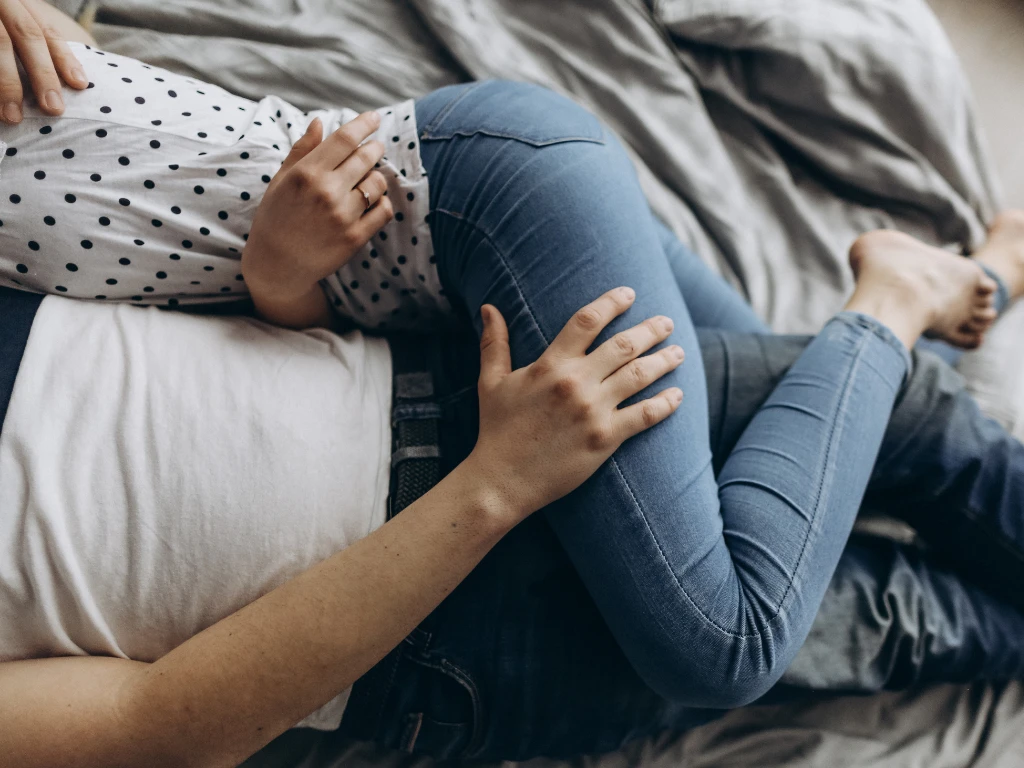
Treatment works best when it addresses both biology and relationship reality. In other words, you need more than candlelight and optimism.
Hormone Replacement Therapy (HRT)
Hormone replacement therapy can help when declining estrogen or testosterone is contributing to low libido. In appropriate patients, HRT may improve:
- vaginal dryness
- sexual comfort
- desire
- mood stability
- overall quality of life
But HRT should always be evaluated with a qualified healthcare provider. Your medical history, risk factors, symptoms, and lab results all matter. This is not a DIY vitamin aisle project.
Lifestyle Adjustments That Improve Libido
Lifestyle changes can significantly support hormone balance and sexual health. The most helpful habits include:
- regular exercise to improve mood, circulation, and energy
- better sleep to support hormone production
- stress reduction to lower cortisol
- limiting alcohol if it worsens sleep or performance
- creating time for rest, connection, and recovery
I once heard a therapist describe desire as a garden, not a light switch. That fits. If you want it to grow, you have to improve the conditions around it.
Nutrition for Hormone Balance
Nutrition supports hormone production and overall sexual wellness. Helpful nutrients include:
- healthy fats for hormone synthesis
- omega-3 fatty acids to reduce inflammation
- zinc to support testosterone and reproductive health
- magnesium for stress regulation and sleep support
Foods that may help include fatty fish, eggs, nuts, seeds, olive oil, leafy greens, legumes, and cruciferous vegetables. A balanced diet won’t replace medical treatment, but it can absolutely reinforce it.
If you’ve identified hormones as the issue, hormone treatment for low libido walks you through what your actual options look like and what to realistically expect.
Relationship Strategies for Couples Dealing with Low Libido
Even when hormones are the main issue, the relationship still needs care. Low desire doesn’t just change sex. It changes how you read each other.
Why Libido Mismatch Happens in Monogamous Relationships
Hormone shifts can create desire differences between partners, especially in long-term relationships. One partner may still want frequent sex, while the other feels mentally willing but physically flat.
That mismatched libido can lead to:
- hurt feelings
- pressure and avoidance
- assumptions about rejection
- routine, mechanical sex that satisfies neither partner
This is incredibly common. It’s not proof your relationship is failing. It’s often a sign that your bodies and stress loads are changing at different speeds.
Communication Strategies for Couples
Open, blame-free communication is essential. That means talking about libido changes directly, but gently.
Try these approaches:
- use “I” statements instead of accusations
- talk outside the bedroom, not during conflict
- describe symptoms, not just disappointment
- agree to pursue medical guidance together
- focus on problem-solving, not fault-finding
For example: “I still love being close to you, but my desire has changed and I think something physical may be going on.” That lands very differently than silence or criticism.
Rebuilding Intimacy During Hormonal Changes
Rebuilding intimacy often starts before intercourse. Non-sexual affection, emotional closeness, and gradual reintroduction of sexual activity can reduce pressure and restore connection.
Helpful strategies include:
- cuddling without expectations
- kissing longer than usual
- planning unrushed private time
- exploring touch that isn’t goal-oriented
- working with a sex therapist if tension has built up
Sometimes the spark doesn’t need fireworks. Sometimes it needs oxygen, patience, and a little less panic.
Take Back Your Libido: Fix the Hormones, Rebuild the Connection
Hormone imbalance low libido is more common than many couples realize, and it’s one of the most treatable reasons desire changes over time. With proper diagnosis, medical guidance, and lifestyle support, you can improve sexual health, rebuild closeness, and stop blaming your relationship for what may be a hormone issue.
If this sounds familiar, don’t shrug it off and don’t turn it into a private shame spiral. Talk with your partner, track your symptoms, and bring the issue to a qualified doctor or therapist. Couples who face it together often come out not just with better libido, but with a stronger, warmer connection too.
Here’s what you can do next:
- Take the Libido Quiz: If you’re unsure what’s really causing your drop in desire, start with a quick self-assessment. Our libido quiz helps identify the most likely drivers behind libido changes such as hormonal shifts, chronic stress, adrenal fatigue, or relationship dynamics. Instead of guessing, you’ll gain clarity on what may be affecting your sexual energy so you can focus on the solutions that best support your body and your relationship.
- Start Your Free Trial, Hot Monogamy Club: If you want practical guidance for rebuilding desire in a committed relationship, the Hot Monogamy Club gives couples a structured path forward. Inside, you’ll find science-informed strategies, guided intimacy exercises, and coaching prompts designed specifically for long-term partners who want to restore passion, connection, and excitement together.
Frequently Asked Questions
Yes. Hormone imbalance low libido is common, especially after 40, and it does not automatically mean loss of love or attraction. Changes in estrogen, testosterone, thyroid hormones, or cortisol can affect desire, energy, arousal, and comfort, making intimacy feel harder even in a strong relationship.
The main hormones tied to low libido are estrogen and testosterone, but thyroid hormones, progesterone, cortisol, and SHBG also matter. Together, they influence sexual thoughts, lubrication, erectile function, mood, stamina, and responsiveness. That’s why a doctor-driven evaluation usually looks at the full hormonal picture, not one lab value alone.
Common clues include vaginal dryness, painful sex, fatigue, sleep problems, hot flashes, weight gain, fewer spontaneous erections, erectile dysfunction, brain fog, and mood changes. If low desire shows up alongside these symptoms, hormone imbalance low libido may be part of the issue and worth discussing with a clinician.
Diagnosis usually start with symptoms, medical history, medications, stress, and relationship context, then order blood work such as estrogen, total and free testosterone, SHBG, progesterone, and thyroid testing. This process is important because low libido can also be influenced by mental health, sleep, metabolic issues, or medication side effects.
The best treatment depends on the cause. Options may include hormone replacement therapy, medication adjustments, stress reduction, better sleep, exercise, and nutrition support. Couples often do best when medical care is paired with honest communication and, if needed, therapy to reduce pressure, rebuild intimacy, and address performance anxiety.
Lifestyle changes can help support hormones and sexual health, although they may not replace medical treatment. Regular exercise, quality sleep, less alcohol, stress management, and a nutrient-rich diet with healthy fats, omega-3s, zinc, and magnesium can improve energy, mood, and the physical conditions that support desire.
References:
Mulhall, J. P., Trost, L. W., Brannigan, R. E., Kurtz, E. G., Redmon, J. B., White, L. A., Miner, L. M., Billups, K. L., Brock, G. B., Broderick, G. A., Burnett, A. L., Hafron, J. M., Hellstrom, W. J. G., Khera, M., Kirby, M. G., Kohler, T. S., Lee, S. W., McVary, K. T., Miner, M. M., … Hotaling, J. M. (2018). Evaluation and management of testosterone deficiency: AUA guideline. The Journal of Urology, 200(2), 423–432. https://doi.org/10.1016/j.juro.2018.03.115
Davis, S. R., Moreau, M., Kroll, R., Bouchard, C., Panay, N., Gass, M., Kingsberg, S., Nappi, R., Kaunitz, A., Moyneur, E., Studd, J., & APHRODITE Study Team. (2008). Testosterone for low libido in postmenopausal women not taking estrogen. New England Journal of Medicine, 359(19), 2005–2017. https://doi.org/10.1056/NEJMoa0707302
Bhasin, S., Brito, J. P., Cunningham, G. R., Hayes, F. J., Hodis, H. N., Matsumoto, A. M., Snyder, P. J., Swerdloff, R. S., Wu, F. C., & Yialamas, M. A. (2018). Testosterone therapy in men with hypogonadism: An Endocrine Society clinical practice guideline. The Journal of Clinical Endocrinology & Metabolism, 103(5), 1715–1744. https://doi.org/10.1210/jc.2018-00229