
Low libido in men can feel confusing, especially when you still love your partner, so why isn’t your body getting the memo? If you’ve been chalking it up to “getting older” or blaming testosterone alone, you’re about to get a much clearer (and more hopeful) map. Keep reading to know what really causes low libido, the quickest wins, and a practical plan you can start this week.
Key Takeaways
- Low libido in men is usually multifactorial: sleep, stress, mental health, medications, lifestyle habits, and relationship dynamics can all turn desire down (not just testosterone).
- Separate libido, arousal, and erectile function so you treat the right issue. A lot of men can have erections with low desire or desire with ED.
- Start with the highest-ROI fixes for low libido in men this week: get 7–9 hours of sleep, reduce stress with simple nervous-system regulation, and remove “sex pressure” at bedtime to rebuild safety and connection.
- If libido drops suddenly or comes with fatigue, fewer morning erections, pain, or worsening ED, prioritize a medical evaluation and ask about hormones beyond testosterone plus thyroid, prolactin, metabolic health, and sleep apnea screening.
- Check your “hidden blockers” by reviewing SSRIs, blood pressure meds, alcohol, and cannabis with a clinician rather than guessing or stopping medications on your own.
- Support desire with sustainable habits such as resistance training with adequate recovery, protein and fiber-centered meals, less heavy drinking, and a short porn break experiment if partnered sex feels less stimulating.
Table of Contents
Quick Answer: Why Your Libido Might Be Low (and What Helps Most)
Low libido in men is usually a mix, hormonal shifts, stress, mental health, medications, lifestyle habits, and relationship dynamics can all pull the “desire dimmer switch.” It’s not just low testosterone.
If you want the highest-ROI fixes (the stuff that tends to work fastest), start here:
- Improve sleep (quantity and quality), because low sleep can tank testosterone and blunt arousal.
- Lower stress / regulate your nervous system, chronic cortisol fights desire like a wet blanket.
- Rebuild connection and reduce pressure, pursue/withdraw cycles kill libido.
- Rule out medical contributors with appropriate labs, especially if the change was sudden.
If you want a deeper breakdown of root drivers (with more nuance than “just take a supplement”), you can also explore this guide on common causes of low libido in men.
Libido vs Arousal vs Erectile Function (Clear Definitions)
This is where couples get tangled up, because these terms sound like the same thing, but they’re not.
- Libido = your desire for sex. (Your brain’s “yes, that sounds good.”)
- Arousal = your body’s physical response to stimulation. (Blood flow, sensation, warmth, readiness.)
- Erectile function = your ability to achieve/maintain an erection.
Here’s the twist that surprises a lot of couples in their 40s, 50s, and 60s:
- You can have erections with low libido (body works, mind isn’t interested).
- You can have desire with erectile dysfunction (mind is willing, body’s struggling).
When you separate these clearly, you stop treating the wrong problem, and you stop turning bedtime into a diagnostic lab.
What is “Low Libido” in Men

“Low libido” in men usually means a persistent drop in sexual desire that causes distress, for you, your partner, or the relationship. Not a one-off tired week. Not “I’m not 22 anymore.” Persistent, noticeable, and often loaded with worry.
A quick reality check: in long-term relationships, desire naturally changes. But when the change starts shaping your closeness, your confidence, or your home atmosphere? That’s when it’s worth addressing.
What It Looks Like (desire, fantasies, initiation, avoidance)
Low sex drive doesn’t always look like “never wants sex.” Sometimes it’s sneakier, like your desire packed a suitcase and left without telling you.
Common signs:
- Fewer sexual thoughts or fantasies (your mind feels “quiet” sexually)
- Less initiation (you’re affectionate, but you don’t start anything)
- Avoidance behaviors (staying up later, more screen time, “accidentally” falling asleep)
- Feeling neutral instead of hungry for touch (not repulsed… just not pulled)
- Pulling away from physical intimacy because it feels like it’ll “lead to expectations”
Anecdote you might recognize: you’re brushing your teeth, the house is finally quiet, and your partner gives you that look. Ten years ago, it would’ve been a spark. Now it’s like someone handed you a pop quiz you didn’t study for. You love them. You just… don’t feel it.
If you’re the partner reading this thinking, “Is it me?”, it’s often not. It’s usually a system issue: body + brain + relationship + season of life.
Low Libido vs Erectile Dysfunction
Low libido and ED overlap a lot, but they’re different issues:
- Low libido = lack of desire
- Erectile dysfunction (ED) = difficulty achieving or maintaining an erection
You can experience both at once, especially when stress, hormones, and confidence start looping together. But the fix changes depending on what’s driving it.
If you want a broader, couple-friendly view of the big drivers (physical, mental, and environmental), this breakdown of why your libido is low and why desire drops in real life can help you pinpoint your “bucket” faster.
Common Causes of Low Sex Drive in Men (The Real List)
If you’ve been hoping for one simple culprit, bad news and good news: low libido in men is often multifactorial, which is why it can feel so stubborn. The upside is you usually have multiple levers you can pull.
Think of libido like a campfire:
- Hormones are the dry wood
- Stress is the rain
- Relationship connection is the oxygen
- Sleep is the match
You don’t fix a soggy fire by yelling at the wood.
Hormonal & Medical Causes
Medical contributors are especially important to consider if your libido drop is sudden, intense, or paired with fatigue, mood changes, or ED.
Testosterone (And Why It’s Not the Only Hormone)
Testosterone matters. Low testosterone can reduce desire, and it naturally declines starting around age 30.
But here’s the part many couples don’t hear in casual conversations:
- Total T vs free T can tell different stories.
- Libido isn’t just testosterone, thyroid hormones, prolactin, cortisol, and metabolic health can all influence sex drive.
So if you’ve been thinking, “Maybe I need testosterone,” the more accurate thought is: “Maybe I need a proper assessment.”
For a deeper look at how multiple hormones can shape desire (including patterns that show up around perimenopause/menopause for partners too), this guide on hormone-imbalance causing libido is a useful companion.
Other Medical Contributors
A low sex drive can be downstream of:
- Thyroid dysfunction
- Elevated prolactin
- Diabetes / metabolic syndrome
- Sleep apnea
- Chronic illness
Low-Pressure Initiation (Beginner-Friendly)
These reduce performance anxiety and let responsive desire wake up gently.
1. Start with a five-minute cuddle request. “Can I borrow you for a cuddle?”
2. Ask for a slow kiss, not sex. Kisses are the on-ramp.
3. Hand-hold + eye contact for 20 seconds. Feels oddly intimate (in a good way).
4. Invite them into your space. “Come sit with me, no agenda.”
5. Warm compliment + touch. “You looked so good today” + hand on waist.
“Do You Want to Cuddle and See Where It Goes?”
This phrase works because it’s safe. It tells your partner:
- intercourse is not required
- you’re open to responsive desire
- you care about comfort and consent
Say it like you mean it, soft voice, slow pace. If your home is loud (kids, TV, life), lower the stimulation first. Dim lights. Put on music. Make the room feel like an exhale.
Non-Sexual Massage or Shower Together
Two of the best low-pressure bridges back to erotic energy:
- Non-sexual massage: Keep it simple, shoulders, scalp, feet. Use oil or lotion. Let your hands be curious, not demanding.
- Shower together: Warm water, slippery skin, steam on the mirror. It’s intimate even if nothing “happens.”
Pro tip: agree on a boundary up front if needed, “Let’s just wash each other and see.” That boundary often makes arousal more likely, because the pressure drops.
Playful Initiation (Intermediate)
This is where you sprinkle in tension, like a trailer that makes you want the movie.
6. Dance in the kitchen for one song. (Yes, even if you’re terrible.)
7. Whisper a memory. “Remember hotel in Chicago?”
8. Play ‘would you rather’, but sexy. Keep it light.
9. Tease with a slow drive-by touch. Shoulder, lower back, hip.
10. Make a rule: no talking about logistics in bed. Bed becomes a sanctuary again.
Flirty Texts During the Day
Anticipation is underrated foreplay, especially for busy couples.
Try:
- “Thinking about your hands on me later.”
- “Tonight I want 10 minutes of kissing. That’s the whole plan… unless we get distracted.”
- “Pick: makeout, massage, or shower together?”
You’re planting a seed without demanding a harvest.
Playful Challenges or “Menu Night”
This is one of the fastest ways to reduce the all-or-nothing trap.
11. Menu night (3 options, no wrong answer).
- Option A: 10-minute makeout
- Option B: massage exchange
- Option C: full intimacy
12. The ‘timer game.’ Set a timer for 7 minutes of kissing only.
13. The ‘no-intercourse challenge.’ Sometimes removing intercourse brings back desire.
14. The ‘yes, and…’ flirt game. Build a fantasy together, one sentence at a time.
15. The ‘first move’ coin flip. Winner initiates the first kiss.
Anecdote: one couple I worked with told me menu night felt “like ordering from a really fun restaurant where nothing is wrong with you for being hungry.” That’s the point.
Direct Initiation (Advanced & Secure)
Direct doesn’t mean crude. It means clear. And clarity lowers anxiety.
16. Name your desire plainly. “I want you.”
17. Ask for what you want tonight. “Can we be close for 20 minutes?”
18. Invite a specific scenario. “Bed, lights low, slow kissing.”
19. Initiate earlier than bedtime. (Bedtime-only initiation can feel like a chore.)
20. Talk about it in daylight. Desire conversations land better when nobody is half-asleep.
Clear Ask + Clear Out
Use this script when you want to be bold without pressure:
“I’d love to be close tonight. If not tonight, when would feel good for you?”
Why it works:
- you state desire (attractive)
- you remove urgency (safe)
- you build a scheduling pathway (reduces resentment)
21. Make initiation a team sport. “Can we figure out what helps your desire show up lately?” That question alone can change the whole vibe, because it respects biology, stress, and the reality of midlife libido.
Stress, Burnout & Nervous System Overload
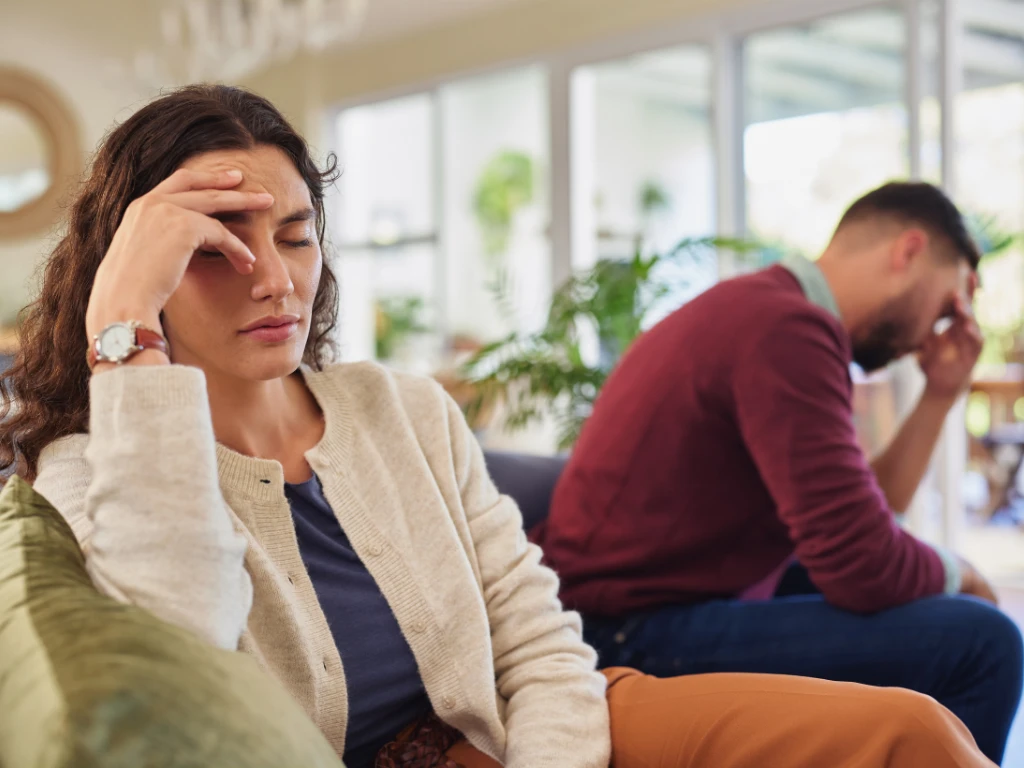
Stress is one of the most underappreciated libido killers, because it doesn’t just make you tired. It changes your biology.
When your life feels like a browser with 47 tabs open, desire doesn’t gracefully squeeze into the background. It gets shoved into the trunk.
Work Stress, Parenting & Chronic Fatigue
Chronic stress elevates cortisol, and persistently high cortisol can suppress testosterone and reduce sexual desire.
And there’s another layer: bandwidth.
- You can’t feel desire when your brain is busy triaging deadlines, aging parents, teenagers, finances, and that weird noise the car just started making.
- Even if you want to want sex, the nervous system may be stuck in “fight/flight.” Desire prefers “safe/connected.”
A relatable scene: you finally get into bed, sheets cool against your legs, your partner smells like clean soap, and you think, Tonight could be nice. Then your mind runs a highlight reel of tomorrow’s meetings. Suddenly you’re not in your body, you’re in your calendar.
This isn’t a character flaw. It’s physiology. And it’s fixable.
Mental Health Factors
Your libido lives in your brain as much as your body. Mood, self-image, and anxiety can all quietly hijack desire.
Depression, Anxiety & Performance Anxiety
- Depression and low libido commonly overlap. When pleasure blunts across the board, sex often takes the first hit.
- Anxiety can suppress the parasympathetic state you need for arousal (your body can’t relax into pleasure if it’s scanning for threats).
- Performance anxiety creates a brutal loop: worry → avoidance → fewer positive experiences → more worry.
If you’ve ever thought, “What if I can’t stay hard?” or “What if I disappoint her?”, that thought alone can pull you right out of the moment.
Worth noting: many couples accidentally make it worse by turning sex into an evaluation. A better goal, especially while rebuilding, is connection and curiosity.
Medications & Substances
Sometimes the “mystery” of low libido is due to your medication.
Low Libido Due to Medication (SSRIs & Others)
- SSRIs frequently reduce libido and can also affect arousal and orgasm.
- Some blood pressure medications can impact sexual function.
- Alcohol can lower testosterone and dampen sexual response.
- Cannabis effects vary, some people report increased sensation, others report decreased motivation or performance.
Important: don’t stop or change – without a clinician’s guidance.
If you suspect this is part of your story, this practical Q&A on medication-related desire changes can help you walk into a doctor visit with clearer language and better questions.
Lifestyle Drivers
Lifestyle factors can sound boring… until you realize they’re the levers that often change things fastest.
Sleep & Testosterone
Sleep deprivation can lower testosterone, and poor REM sleep can blunt arousal. If you’re sleeping 5–6 hours, waking up unrefreshed, and living on coffee, libido often follows that same “running on fumes” vibe.
Quick self-check:
- Are you getting 7–9 hours consistently?
- Do you wake up feeling restored, or like you wrestled a bear?
- Do you snore loudly, gasp, or feel daytime sleepiness (possible sleep apnea)?
Overtraining & Libido
If you’re a high performer, this one stings: more exercise isn’t always better.
- Excessive cardio and inadequate recovery can raise cortisol.
- Overtraining is a common libido suppressor, especially when paired with low calories or poor sleep.
You want movement that makes you feel more alive, not quietly depleted.
Nutrition & Alcohol
Libido isn’t fueled by “one magic food.” It’s supported by:
- Adequate protein
- Key micronutrients like zinc and magnesium
- Stable blood sugar (metabolic health matters)
Alcohol deserves a special callout: a drink or two might help you relax, but heavy drinking often reduces sexual function and can worsen sleep quality, the double-whammy nobody asked for.
Relationship Factors
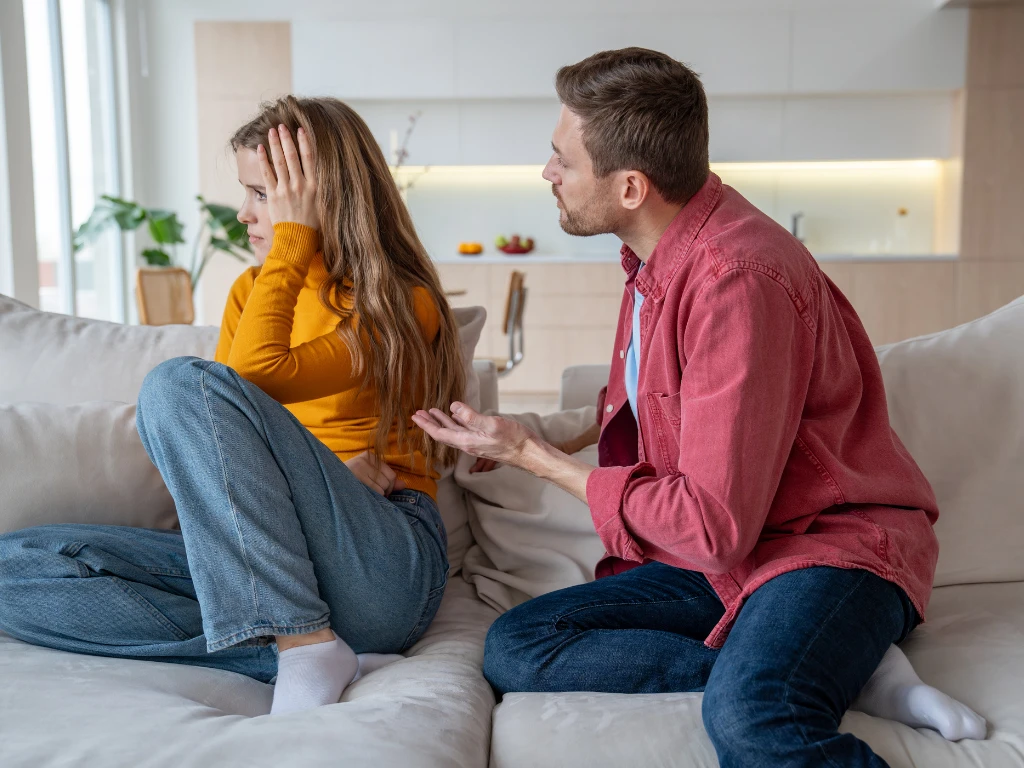
In committed relationships, low libido rarely lives in isolation. It shares a wall with resentment, pressure, and routines that used to be “comfortable” but now feel like beige wallpaper.
Low Libido and Relationship Problems
Common monogamy-specific patterns:
- Resentment reduces desire. (Unspoken disappointments are anti-foreplay.)
- Emotional disconnection makes physical intimacy feel mechanical.
- Pressure cycles: the more one partner pushes, the more the other withdraws.
- Desire mismatch becomes a story you both dread.
A tiny but powerful reframe: instead of asking, “What’s wrong with me?” try, “What’s happening between us, and inside my body, that’s turning the dial down?”
If you’re the partner who feels rejected, you’re not “needy.” If you’re the partner with lower desire, you’re not “broken.” You’re both stuck in a pattern, and patterns can change.
(And yes, novelty helps. Not just sexual novelty, life novelty. New restaurants, new playlists, a weekend away, even a different walking route can wake the nervous system up.)
Porn & Masturbation Patterns (Non-Judgment)
This topic gets moralized fast. You don’t need shame, you need clarity.
Porn and Libido
Porn can affect libido for some men through:
- Novelty overstimulation (endless variety is a strong dopamine trigger)
- A potential desensitization effect over time
- Partnered sex feeling less “high stimulus” by comparison
This doesn’t mean porn is always the villain. But if partnered intimacy feels like a slow song and porn feels like a fireworks show, your brain may start preferring the fireworks.
Try an experiment, not a vow: take a break for a few weeks and notice whether desire for your partner rebounds.
Masturbation and Libido
Masturbation isn’t automatically good or bad for libido. Context matters:
- Frequency patterns can influence desire for partnered sex.
- Guilt/shame can make desire shrink (secrecy is an intimacy killer).
- Your “why” matters: are you masturbating for pleasure, stress relief, sleep… or avoidance?
If masturbation helps you feel relaxed and affectionate afterward, great. If it becomes your primary outlet while partnered touch feels tense, it may be worth adjusting, together, with curiosity.
Signs You Should Rule Out a Medical Issue
Sometimes low libido is mostly lifestyle and relationship. Other times, it’s your body waving a flag.
Sudden Libido Changes
If your desire drops rapidly without a clear life change, don’t just “wait it out.” Sudden shifts can point to:
- Hormonal changes
- New medications
- Acute stress or depression
- Emerging medical issues
ED + Low Morning Erections + Fatigue
This combo can suggest a hormonal or metabolic contributor. Morning erections are influenced by sleep quality, blood flow, and hormones, so a noticeable change is useful information to bring to a clinician.
Pain or Pelvic Floor Issues
Pain during sex, persistent pelvic discomfort, or chronic pelvic tension can shut libido down quickly. Pain teaches your nervous system to avoid intimacy, even if emotionally you want closeness.
If any of these are showing up, it’s worth moving “medical evaluation” higher on your priority list.
How to Increase Libido in Men (Step-by-Step Plan)

You don’t need a personality transplant. You need a plan that targets the most common drivers of low libido in men, in the right order.
Step 1: Fix Sleep & Stress (Highest ROI)
Start with the basics because they influence everything else.
- Aim for 7–9 hours.
- Reduce blue light at night (yes, your phone counts).
- Build a wind-down ritual: shower, dim lights, quiet music, stretching.
- Add stress regulation: slow breathing, walking, short meditation, journaling.
A small but surprisingly intimate move: agree with your partner that bedtime isn’t a “sex negotiation.” Some nights you’ll just cuddle and decompress. When pressure drops, desire often has room to return.
Step 2: Movement & Strength Training
- Prioritize resistance training (it’s linked to healthier testosterone profiles).
- Add moderate cardio for cardiovascular health.
- Avoid the grind of overtraining, recovery is part of the program.
Think: strong, steady, energized, not destroyed.
Step 3: Nutrition & Alcohol Reduction
- Build meals around protein + fiber + healthy fats.
- Watch heavy alcohol use, especially if it’s your nightly stress strategy.
- Support micronutrients (zinc, magnesium) through food first.
If you’re dealing with brain fog and low motivation, this step is often the “silent upgrade” that makes everything else easier.
Step 4: Address Relationship Dynamics
This is the part most couples skip, then wonder why supplements didn’t save the day.
Try these:
- Name the pressure cycle out loud (“When I feel pushed, I shut down.”)
- Schedule low-stakes intimacy: kissing, massage, showering together, no goal required
- Add novelty: new date spot, new flirtation, new music, a playful text at 3:00 p.m.
- Talk about the desire mismatch like teammates, not opponents
If your partner is struggling emotionally (“Is it me?”), it can help to share a grounded resource like this guide for partners who are thinking “my boyfriend has low libido, now what?”.
Step 5: Consider Supplements Carefully
Supplements can help some men, but avoid benefit-claim nonsense.
A few with some evidence in certain contexts include:
- Ashwagandha (stress-related support)
- Zinc (if deficient)
- Vitamin D (especially if low)
Your best move: use supplements as a supporting actor, not the main character.
If you want a more structured, evidence-aware approach, start with this clinical-minded overview of best treatment for low libido.
Step 6: Medical Evaluation & Labs
If libido is persistently low, paired with ED, fatigue, mood shifts, or major relationship strain, bring in medical guidance.
A good clinician can:
- Review hormones (not just testosterone)
- Check thyroid and prolactin
- Evaluate metabolic health
- Screen for sleep apnea
- Review medications and side effects
This isn’t about jumping to medication, it’s about removing hidden blockers.
What Tests To Ask Your Doctor About
If you’re getting evaluated for low libido in men, you’ll usually get the best answers when you ask for categories of labs that map to the most common drivers.
Basic lab categories + what they can indicate (no specifics if you want to stay conservative)
Discuss options with your clinician (this is general education, not medical advice). Common categories include:
- Hormone evaluation: can indicate androgen status and broader hormonal balance
- Thyroid function screening: can indicate under- or overactive thyroid patterns that affect energy and desire
- Metabolic health markers: can indicate blood sugar regulation issues and cardiovascular risk factors tied to sexual function
- General health screening labs: can flag anemia, inflammation, or other systemic issues contributing to fatigue
- Sleep apnea screening: can identify sleep-disordered breathing that quietly crushes energy, mood, and libido
Practical tip: bring notes. Track sleep, stress, morning erections, mood, and medication changes for 2–3 weeks. It turns a vague complaint into a clear clinical picture.
When to Get Professional Help
Get professional help sooner (not later) if any of these are true.
Persistent symptoms, distress, ED, depression, pain
Consider talking to a clinician and/or a qualified sex therapist if you have:
- Persistent low libido that lasts months and causes distress
- Ongoing ED, especially if it’s new or worsening
- Depression, anxiety, or performance anxiety that’s shaping avoidance
- Pain during sex or pelvic discomfort
- Relationship strain where sex has become a recurring fight or silent grief
If you and your partner feel stuck, that’s not a sign you’ve failed, it’s a sign the problem is bigger than willpower. And honestly, that’s normal.
If medication options are part of the discussion with your doctor, you may also want to read this overview of best medications for low libido so you can ask smarter questions and weigh tradeoffs clearly.
Next Steps: Regain Desire Without Shame
Low libido in men isn’t a verdict on your masculinity or your love, it’s a signal. When you treat it like a solvable health-and-connection issue, it stops being this heavy secret and becomes a shared project.
- Start the Free Trial of Hot Monogamy Club if you want structure (not awkward guesswork). It’s built for committed couples who want science-backed guidance and practical tools to rebuild desire, communication, and playfulness, without drugs or traditional therapy.
- Take the Libido Quiz on MyLibidoDoc to pinpoint what’s most likely driving your low desire and get personalized next steps. You’ll move faster when you know your likely “root cause bucket” (sleep/stress, hormones/medical, mental health, relationship dynamics, or habit patterns).
Medical disclaimer
The information contained within this blog is for informational purposes only and does not provide health care, medical or nutrition therapy advice; it does not diagnose, treat or cure any disease, condition or other physical or mental ailment of the human body; it is not to be used as a replacement or substitute for medical advice provided by physicians and trained medical professionals. See our full disclaimer here.
Frequently Asked Questions
Low libido in men is usually caused by a combination of factors, not just low testosterone. Common causes include chronic stress, poor sleep, depression, anxiety, medication side effects such as SSRIs, relationship tension, overtraining, and hormonal imbalances. Lifestyle strain and emotional disconnection often play a bigger role than most men expect.
The fastest safe improvements usually come from sleeping 7 to 9 hours, reducing stress, limiting alcohol, and addressing relationship pressure. Strength training and improving emotional connection can also help quickly. Avoid jumping straight to supplements or testosterone without testing. Talk to a clinician if symptoms persist or feel severe.
Yes. Chronic stress raises cortisol, which can suppress testosterone and reduce sexual desire. Mental overload also lowers arousal because the nervous system stays in fight or flight mode. Many men with low libido and stress notice improvements once workload, sleep, and emotional strain are addressed.
Some antidepressants, especially SSRIs, are associated with reduced sexual desire, delayed orgasm, or erectile changes. Not every man experiences side effects, and stopping medication abruptly is not recommended. If libido changes after starting an antidepressant, discuss options with your prescribing clinician.
Porn does not automatically cause low libido, but frequent novelty driven use can affect partnered desire in some men. High stimulation may make real life intimacy feel less intense. Context, frequency, and emotional factors matter more than simple use. Shame often worsens the problem.
Consider testing if you have persistent low libido along with fatigue, reduced morning erections, mood changes, or muscle loss. A sudden drop in desire without lifestyle changes is another reason to speak with a clinician. Testing should include total and free testosterone and be interpreted by a medical professional.
References:
Reutrakul, S., & Van Cauter, E. (2018). Sleep influences on obesity, insulin resistance, and risk of type 2 diabetes. Metabolism, 84, 56–66. https://doi.org/10.1016/j.metabol.2018.02.010
Atlantis, E., & Sullivan, T. (2012). Bidirectional association between depression and sexual dysfunction: A systematic review and meta-analysis. The Journal of Sexual Medicine, 9(6), 1497–1507. https://doi.org/10.1111/j.1743-6109.2012.02709.x
Serretti, A., & Chiesa, A. (2009). Treatment-emergent sexual dysfunction related to antidepressants: A meta-analysis. The Journal of Clinical Psychopharmacology, 29(3), 259–266. https://doi.org/10.1097/JCP.0b013e3181a5233f
Emanuele, M. A., & Emanuele, N. V. (2001). Alcohol’s effects on male reproduction. Alcohol Research & Health, 25(4), 282–287. https://www.ncbi.nlm.nih.gov/pmc/articles/PMC6761906/
Luboshitzky, R., Lavie, L., Shen-Orr, Z., & Herer, P. (2002). Pituitary-gonadal function in men with obstructive sleep apnea. The Journal of Clinical Endocrinology & Metabolism, 87(7), 3394–3398. https://doi.org/10.1210/jcem.87.7.8677
Kraemer, W. J., & Ratamess, N. A. (2005). Hormonal responses and adaptations to resistance exercise and training. Sports Medicine, 35(4), 339–361. https://doi.org/10.2165/00007256-200535040-00004
Corona, G., Isidori, A. M., Buvat, J., et al. (2014). Testosterone supplementation and sexual function: A meta-analysis study. The Journal of Sexual Medicine, 11(6), 1577–1592. https://doi.org/10.1111/jsm.12536
Want to Learn how to Identify and Fix These Root Causes?
Register for Our Next Libido Masterclass. We will share our expertise on libido and empower you with the solutions and steps to improve yours.